
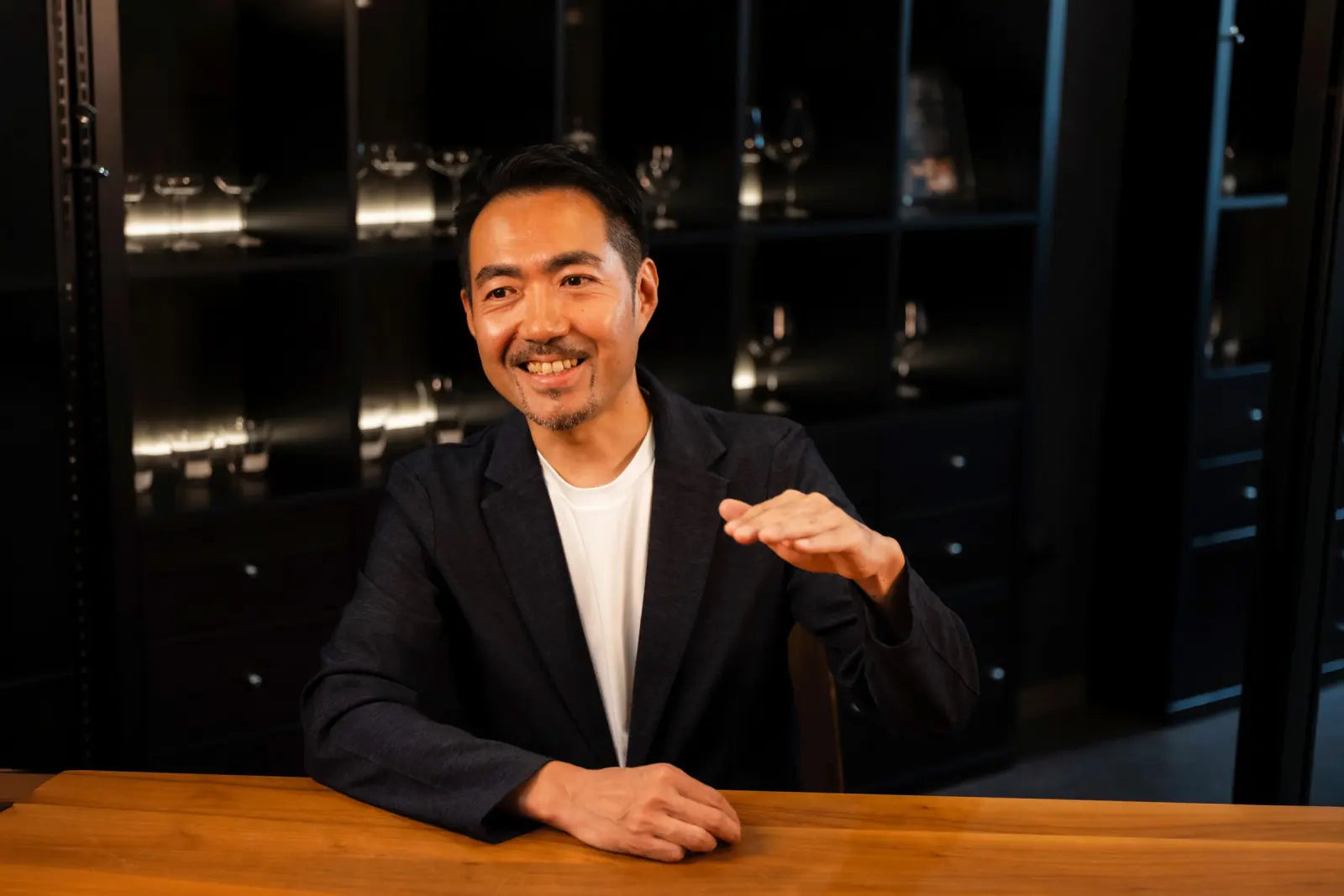
Chapter 1 — The Italian Dictionary He Picked Up in a Bookshop
Nomiya's interest in Italy did not begin with one dramatic event.
As a child, he watched Topo Gigio and Pinocchio. He saw the streets of Genoa, the hometown of Marco, the main character in the opening of From the Apennines to the Andes. He liked pasta and pizza. Interested in world history, he read a biography of Galileo Galilei again and again.
He was also drawn to architecture and classical music, industrial products such as Vespa scooters, and crafts made of leather and glass. He did not initially think of everything he liked as “Italian.” It was the 1994 FIFA World Cup that connected those separate interests to one country.
Italy's national team, with Roberto Baggio among its players, drew attention. Captivated by Baggio's play and the word fantasista, used for a player of exceptional creativity, Nomiya became keenly aware of Italy for the first time.
“I realised that all the things I had liked were in Italy.”
He travelled to Italy for the first time as a university student.
There, he discovered that there was no single thing called “Italian cuisine”: food changed from place to place. He encountered carbonara in Rome and squid-ink pasta in Venice. With each change of city came different dishes, ingredients and flavours that local people took pride in.
Something else left a strong impression on him: the bars found throughout the towns and cities.
“It was as though Italians were drawn into them. Inside, everyone seemed to be enjoying talking with the barista. I wondered what these places were.”
An Italian bar is a café for coffee and a bar for alcohol. Some people have breakfast there; light meals appear at lunchtime; and in the evening, people gather for a drink before dinner. It was not only the range of drinks that attracted Nomiya. People of all ages would stop by several times a day and exchange words across the counter. He could see Italian daily life in that place.

At the end of that trip, Italy was still a country he admired from afar. Living there did not seem realistic.
After graduating from university, he worked for a travel company while aiming to become a local civil servant. He was interested in supporting town development and residents' lives through public administration. But amid a difficult job market, he failed every prefectural and municipal government exam he took.
On his way back from seeing the final results, stunned and not ready to go home, he stopped at a bookshop. There, by chance, he picked up an Italian dictionary.
He felt he had strayed from the path his family had expected him to take. At that moment, he began to consider the dream he had dismissed as unrealistic as a direction for his life.
“If I had already left the path, I thought I might as well go all the way. I decided to try living in Italy and working in a bar.”
He could not speak Italian. He had no job waiting for him there. Even so, in February 2003, Nomiya went to Italy on his own.
Chapter 2 — Behind the Counter, Not in Front of It
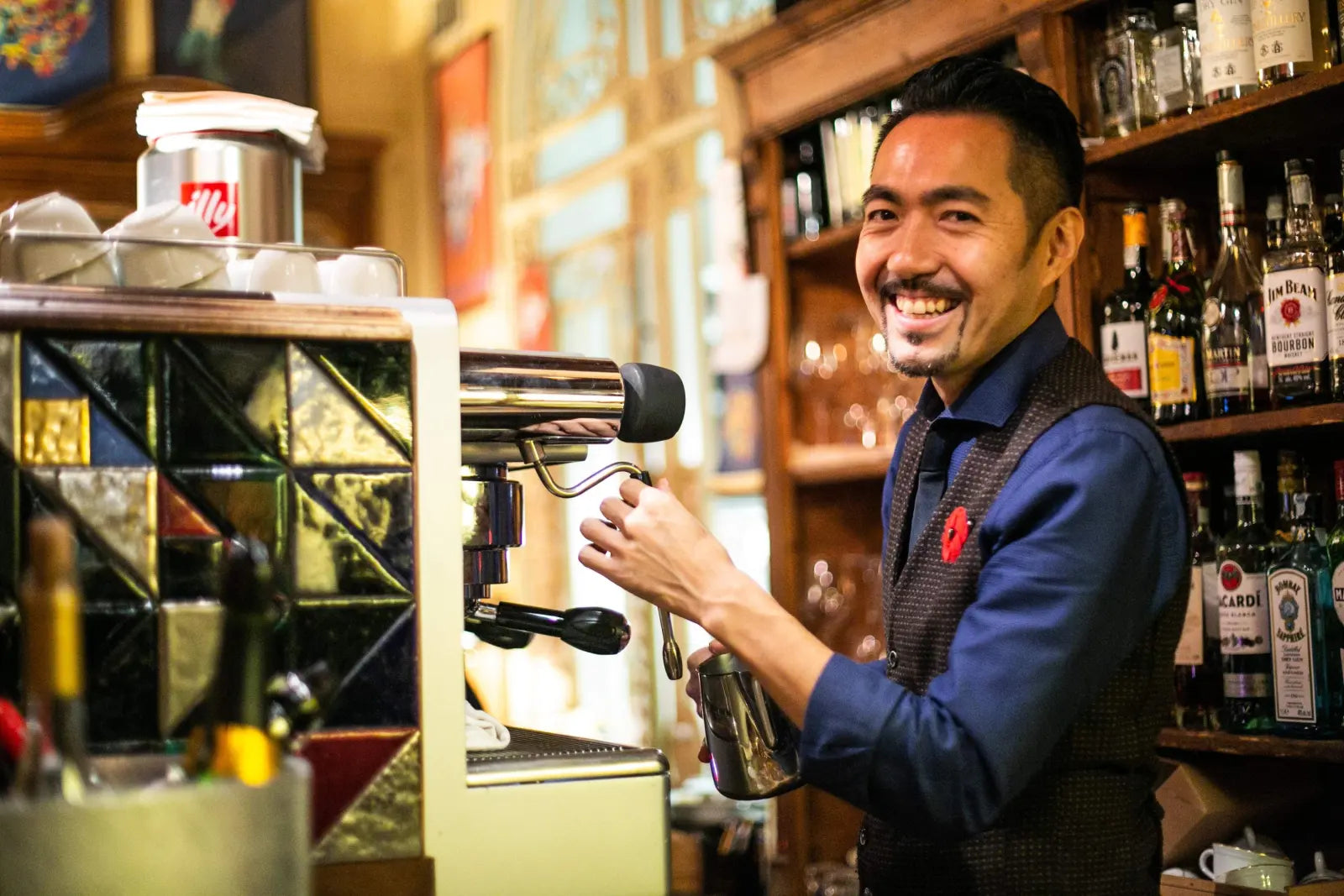
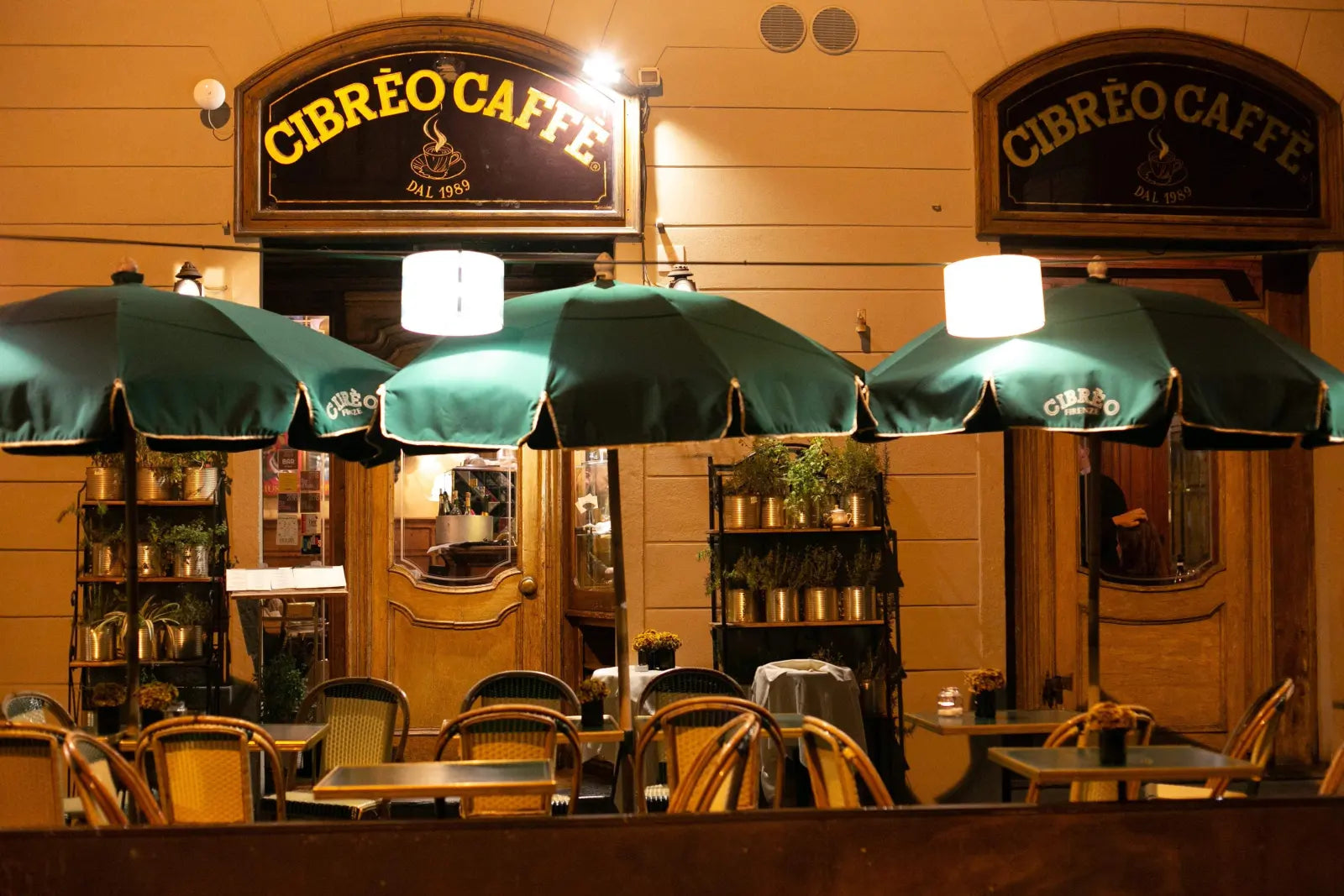
Nomiya wanted more than to live in Italy. He did not want to be a customer who visited bars; he wanted to work behind the counter.
“I thought that if I talked with people in a bar, I could learn what the people who make up this ‘country of art’ think and how they live.”
When he travelled alone as a backpacker, the counters of local cafés and bars were places to find information that was not in guidebooks. The conversations he had there helped him know a place more deeply. He hoped that one day he could be the person welcoming travellers.
When he arrived in Italy, he knew only about ten Italian words, including ciao and buongiorno. He first obtained a one-year student visa and moved into a language school's dormitory. He intended to find work locally.
But even after a year, he could not speak well enough to serve customers. He decided to attend school for another year and extended his stay. At the start of his second year, he heard that a bar would open in a certain facility and asked to work there. After waiting about three months, he was hired.
The first place was an unusual bar that served only coffee. Nomiya had never worked as a barista in Japan. Nevertheless, he was put in charge of the counter alone from his first day.
Soon after he started, a customer placed an order.
“One caffè macchiato.”
Nomiya did not know what that was.
“I asked the customer, ‘What is that?’ Then they came behind the counter and taught me, operating the machine with me.”
There was no senior colleague to teach him the job from the beginning. The customers who came in every day taught him how to make coffee and the differences in how people drank it and what they liked. Asked whether he had anyone he would call a mentor, Nomiya replied, “My customers were something like my teachers.”
Not every customer was welcoming, however. At the time, it was uncommon to see an Asian person working in an Italian bar. Espresso was an everyday drink for Italians, but also a symbol of their country's culture. Some customers expressed doubt about whether a Japanese person could really make it.
Nomiya explains that feeling this way:
“I think it would be like finding an Italian person suddenly standing behind the counter at a sushi restaurant in Japan. You might worry whether they could really make sushi. I think it was the same thing.”
After two or three months, one customer acknowledged a cup Nomiya had made as “real Italian coffee.”
He learned about coffee at that first bar for about two years. Afterwards, he moved to a bar in Milan and began working seriously with cocktails and other alcoholic drinks.
In an Italian bar, alcohol is served from the morning, and coffee is served at night, too. Rather than assigning coffee, cocktails and wine to separate job roles, the staff respond to what each customer wants at that moment. In addition to the barista's expertise in coffee, someone knowledgeable about cocktails and other alcoholic drinks is called a barman there.
Only then did the shape of the work Nomiya wanted to do begin to come into focus.
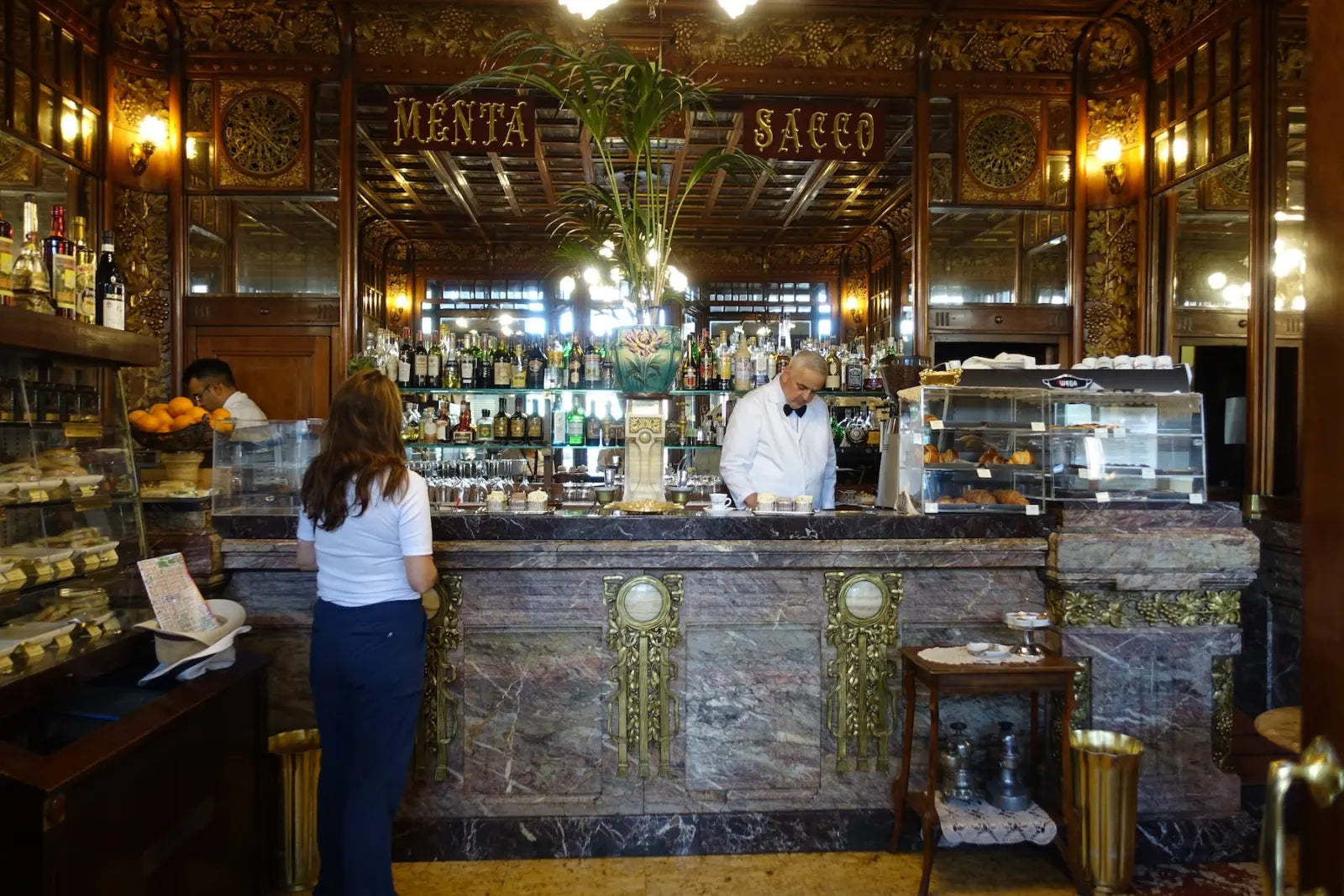
Chapter 3 — As Many Menus as There Are Customers
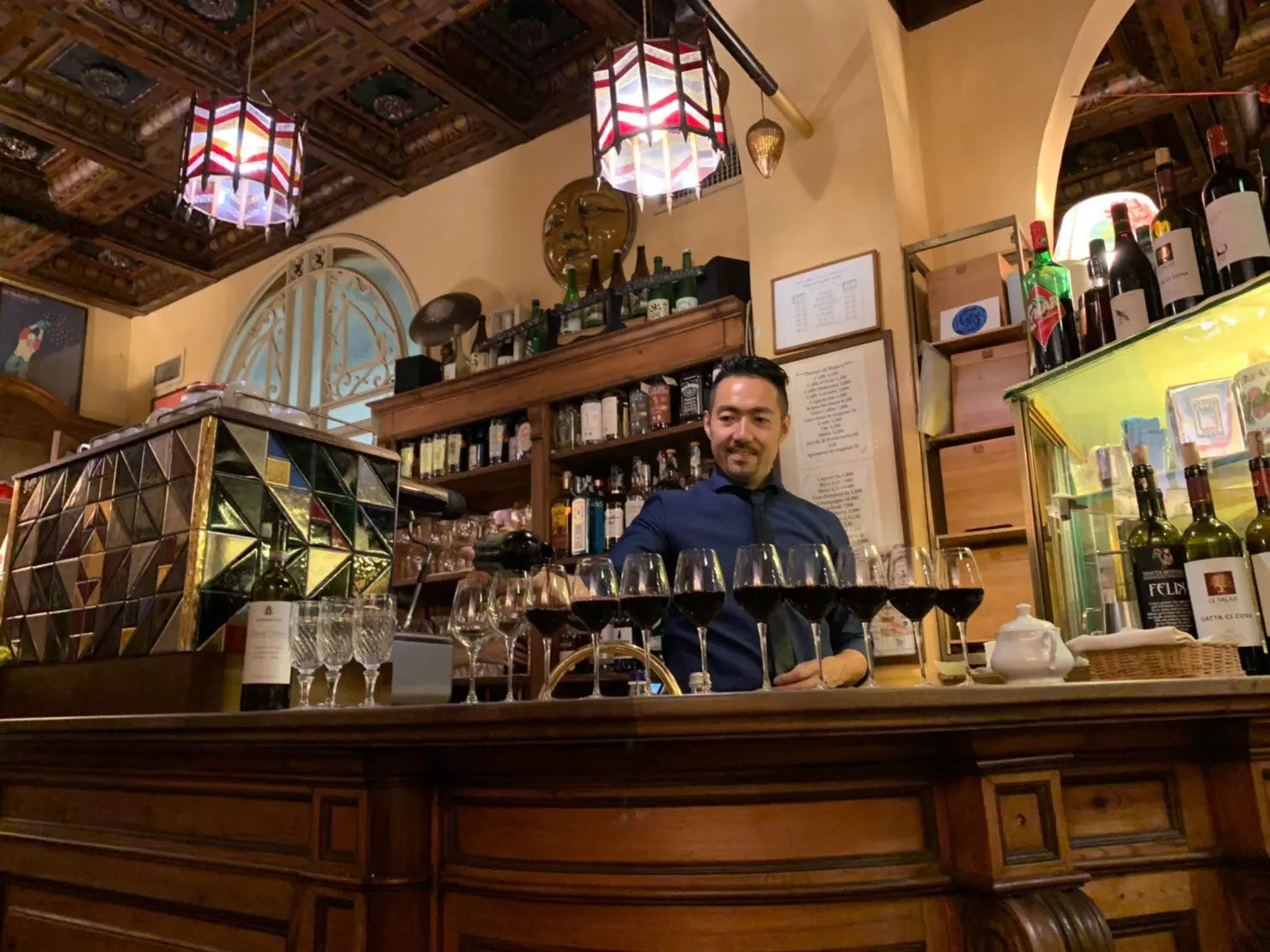
An Italian bar has a pace of its own.
At busy times, customers stand two or three rows deep at the counter. Cups and glasses clink without pause as the staff call to one another and move about. In between, they take orders, make drinks and exchange a few words with customers.
Making each drink carefully is not enough. You have to watch the room and judge what a customer wants right then.
While working in Milan, Nomiya was struck by how much his colleagues could see. Even as they handled the orders in front of them, they kept an eye on what was happening outside the bar.
Spotting a regular, they would begin making the person's usual drink before they came in. By the time the customer had paid at the register and arrived at the counter with a receipt, the drink was ready.
“There is something special about feeling that someone remembered you.”
It was around his fourth or fifth year in Italy that Nomiya could converse comfortably with customers. He says it took about ten years before he felt able to set the rhythm of a bar himself and reliably make customers happy.
Along the way, an encounter changed how he thought about service.
At one bar, a pizza maker drank a cappuccino every morning before starting work. One day Nomiya looked at a cup he had made and felt it was not quite good enough. It was certainly drinkable—perhaps 80 or 90 percent of the way there—but it fell short of what he wanted to serve.
When Nomiya offered to make it again, the man said there was no need.
“He told me that always having the same taste, like from a vending machine, would be boring. He said variation made it more interesting.”
Until then, Nomiya had aimed to give every customer the same quality and the same service. But customers do not arrive at the bar in the same state every day. Some days they are tired; other days they feel good. Sometimes they are in a hurry, and sometimes they want to take their time and talk.
“Every customer is different, and even the same regular is different from day to day. I realised I needed to adapt my service to that moment.”
The same was true of the menu.
Even with a Negroni, customers have different preferences for sweetness and bitterness. Some request a particular brand. Each has their own way of drinking coffee, down to its strength, the amount of milk and its temperature. Orders for drinks not written on the menu are not uncommon.
“There are as many menus as there are customers.”
At first, he found all the detailed requests troublesome. Why specify so much? Why not leave it to the bar? But those customers kept returning until Nomiya understood their preferences.
“Every time, they would say it still wasn't quite right. Yet they kept coming back patiently. Once I could get it right, they praised me. Each customer helped me grow.”
There is a reason people help the barman at their regular bar improve: they need a place between home and work to which they can keep returning.
The same customer may come three times in one day. In the morning they have a cappuccino, still looking sleepy; at midday, an espresso during a break from work; and in the evening, a drink before dinner, their expression softening before they go home. Each visit may be short, but they see one another and talk every day.
“At home you have your role, and at work there is tension. The bar is where, between the two, you can finally be yourself.”
In the bars Nomiya knew, offering coffee or bread to someone without a home was nothing unusual. He also saw a gentleman from a formerly aristocratic family and a person without a home stand side by side at the same counter, drinking espresso and talking.
People with different titles and social positions could talk over the same drink. For Nomiya, that scene clearly showed that the bar was not just somewhere to eat or drink, but a gathering place for the local community.
Livorno, Milan, the Marche region, Florence: as the place changed, so did the food, the drinks and people's preferences. Nomiya gained experience in bars across Italy and spent his last seven years at Cibrèo in Florence.
At Cibrèo, he served as chief barman (capo barman), overseeing the group's five establishments. Based at the café counter, he handled cocktail orders from the other locations and was responsible for menu development, sales and inventory management, purchasing, and staff training. If a restaurant guest wanted to discuss a cocktail, he would leave the counter, cross the street and ask them directly what they liked. He also qualified as a sommelier and served wine.
His curiosity extended beyond the bar. He visited food producers and family homes, researched regional dishes and food customs, and took part in translating specialist books. Drinks and food cannot be understood apart from a place's history and the lives of its people. Nomiya learned this by moving between both sides of the counter.
Looking back on his 16 years in Italy, Nomiya says they were “enjoyable all the way through.” For a long time, returning to Japan did not occur to him.
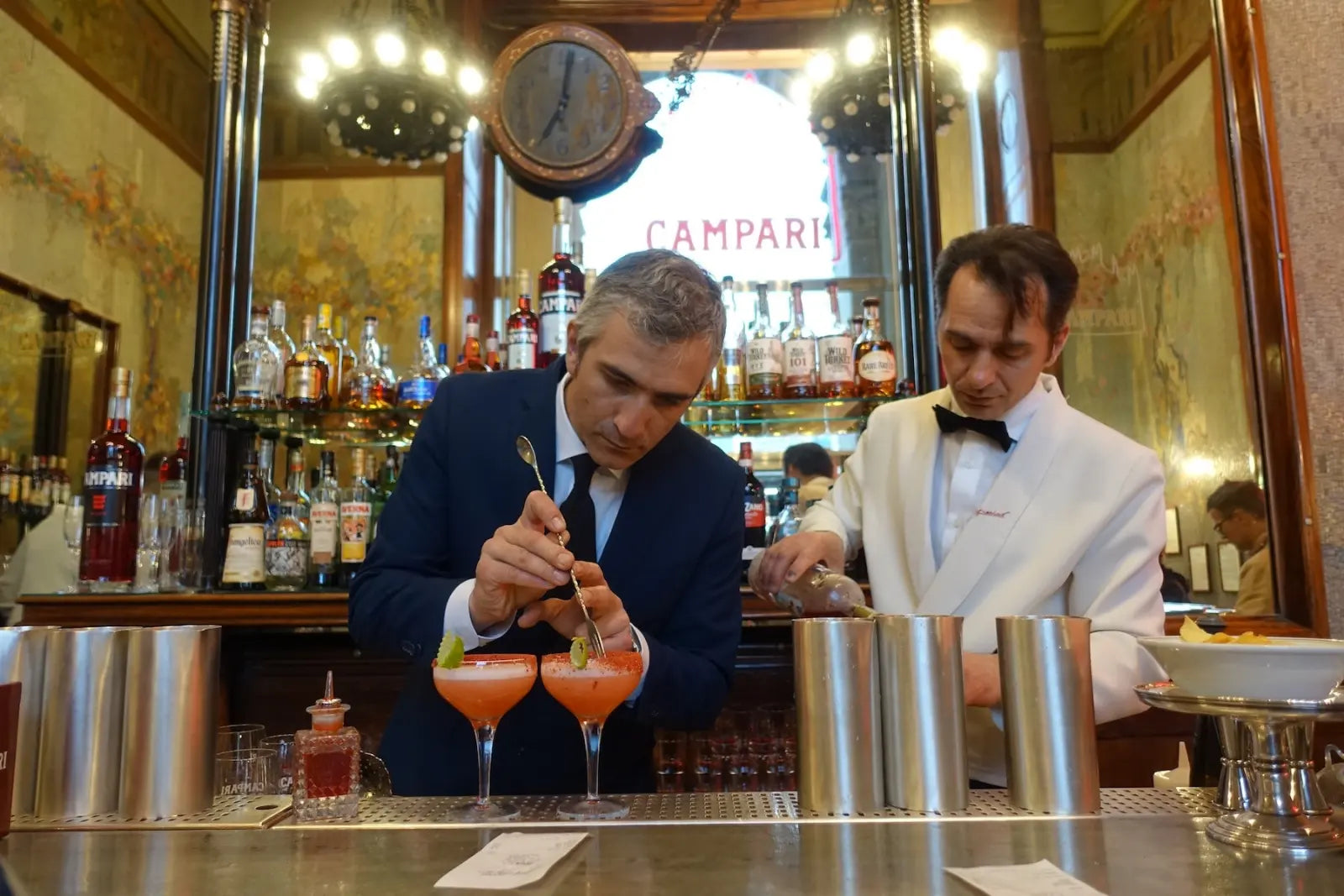
Chapter 4 — Bringing Italian Drinks to Japan Instead of Opening a Bar
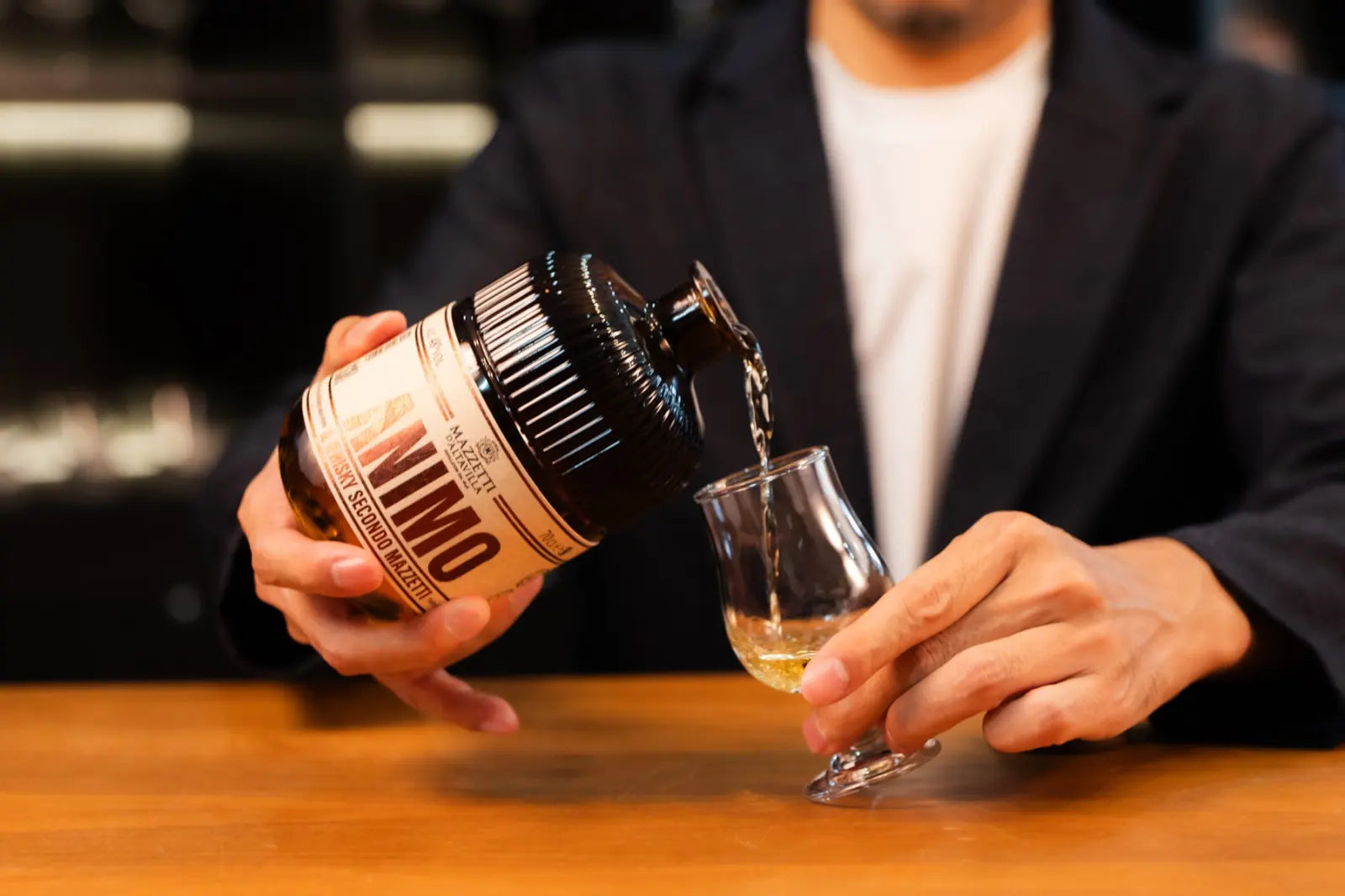
During the more than ten years Nomiya worked in Italy, Italian food culture became more familiar in Japan.
Authentic regional cooking was introduced, espresso and cappuccino became familiar drinks, and gelato and pizza spread. Italian wines became available across a range of prices and styles.
Yet other Italian drinks—those enjoyed before or after meals in local bars—were slow to reach Japan.
“At first, I kept watching, thinking another importer would do it. But even after more than ten years, they still weren't really coming in. I thought perhaps I would have to do it myself.”
He could have opened a bar of his own and served them across his own counter. Instead, he chose to import them.
That decision was rooted in his faith in Japanese bartenders.
“Japanese bartenders are highly skilled, even by global standards. If I could introduce distinctive Italian drinks, I knew they would make good use of them. If people could enjoy the tastes and moments of Italy in places from Hokkaido to Okinawa, I thought we could share them with far more people.”
Rather than run one bar himself, he would bring drinks to bartenders around the country. He felt that would take the pleasure of the drinks he had discovered in Italy to more places.
He established Italiamo Co., Ltd. in November 2018. After preparations that included obtaining a licence to sell alcohol, he returned to Japan in November 2019 and soon began selling Italian drinks.
But he was able to run the business normally for only about a month. As COVID-19 spread, bars and restaurants—his intended principal customers—faced restrictions on opening.
With shorter opening hours, it was also difficult for people to take their time over a drink before or after a meal. Nomiya kept the business going by selling to individual consumers. He says it was around 2023 before he could visit restaurants and talk with them again.
When Nomiya selects a drink to introduce to Japan, ease of sale is not his first criterion.
“I choose only products of a quality I would not be ashamed to show the customers who helped me grow in Italy, or my colleagues in the food and drink industry.”
Is it rooted in the history of its place? Does it make use of ingredients from that region? How does it relate to food? Who makes it, and with what ideas? Does the maker's sense of beauty show through, not only in the taste but in the shape and feel of the bottle? And does it have a character that cannot be replaced by something else?
He speaks with producers at trade fairs and events, then visits them later in their own regions. He has even decided not to sell in Japan a drink he had used for years in Italy because he could not fully convey its appeal here. “You'll understand once you taste it” is not enough to help a product find its place. Unless he also tells people why it is made where it is and when it is enjoyed, its value remains hard to see.
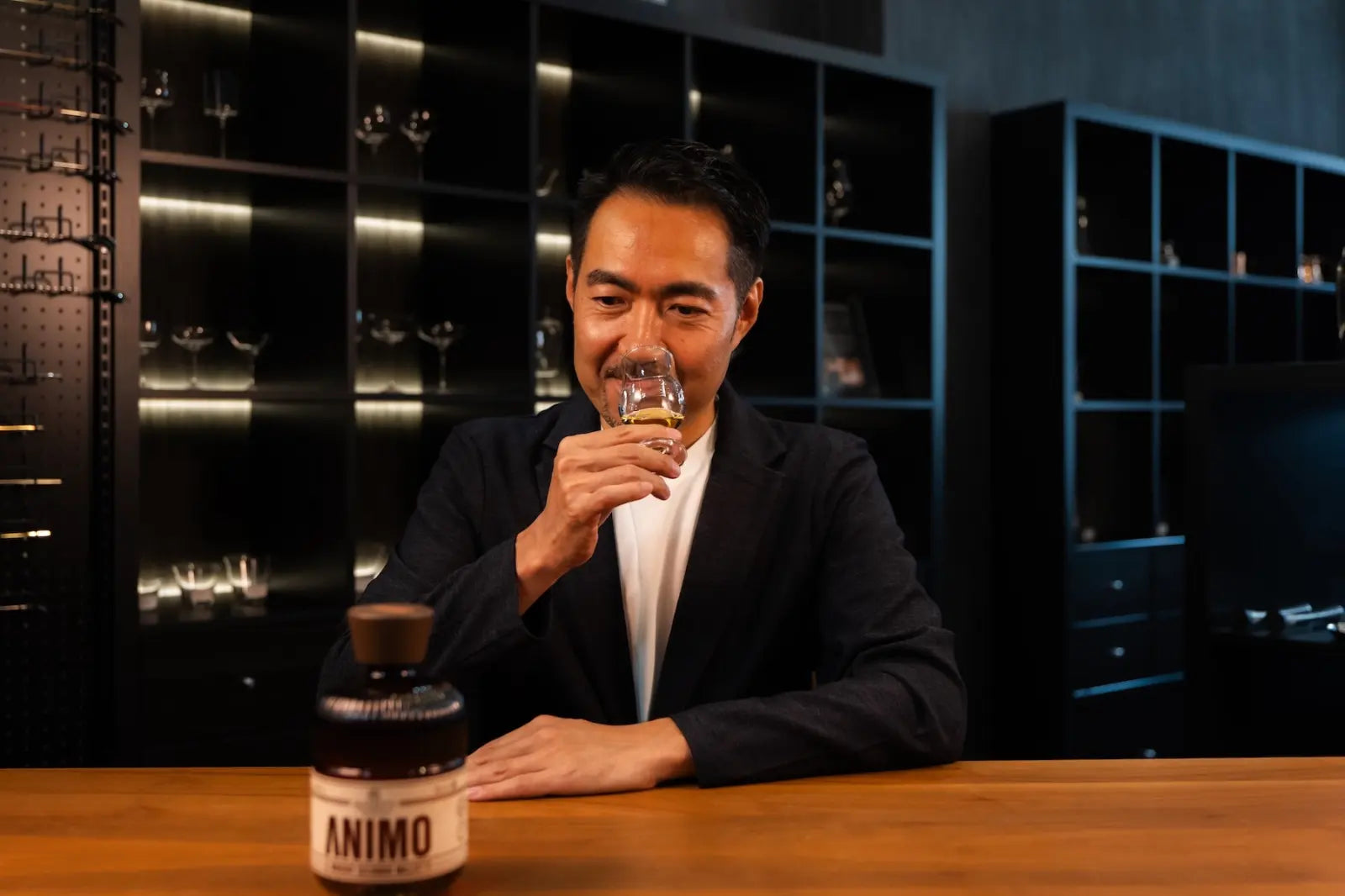
The work Nomiya began was importing and selling alcoholic drinks. But the criteria by which he chooses them were formed over many years by the people who helped him grow from across the counter.
Chapter 5 — Welcoming the Next Person Behind the Counter
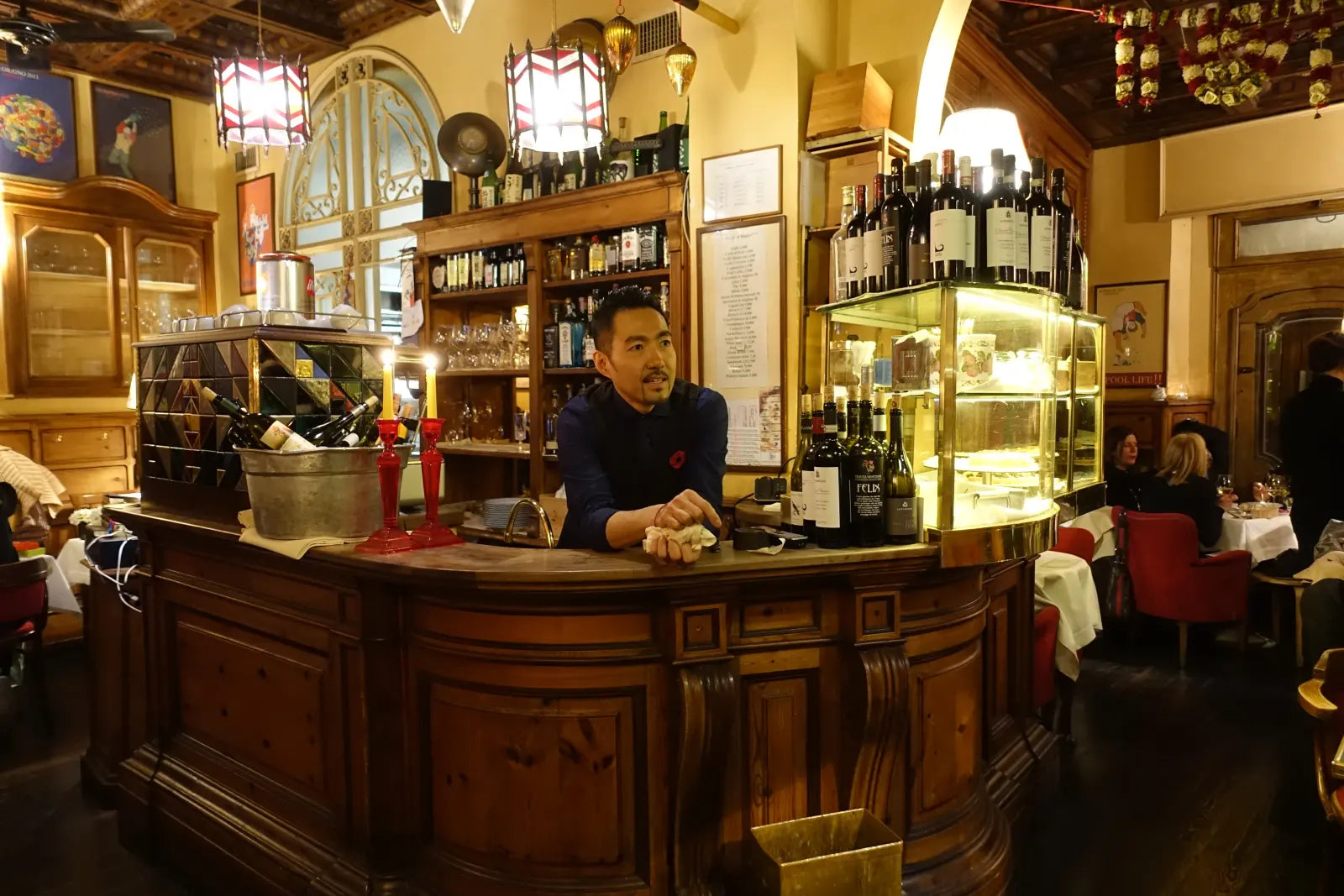
When he first returned to Japan, Nomiya intended to go back to Italy after about three years. The pandemic changed that plan, and a long time has now passed since his return. Even so, his wish to go back has not changed.
There is something he wants to do when he returns.
“I want to create a place where Japanese bartenders and baristas can stand behind the counter of an Italian bar. Even if it is only for a day, or an hour, I want them to experience the exchange with customers and a different culture.”
It is not uncommon for chefs, sommeliers, baristas and pizza makers from Japan to travel to Italy and learn there. For Japanese bartenders, however, a path to gaining experience in an Italian bar has hardly been established.
In Italy, cocktails are an everyday part of neighbourhood bars. Customers say what they like, and the barman builds a drink from their words. They are not just receiving a drink; the person ordering participates in making that particular glass. Those exchanges can sometimes give rise to new recipes.
What Nomiya hopes to make more familiar in Japan is not only a particular brand. It is the moment before going home after work, or before heading to dinner, when someone has a drink, exchanges a few words and changes pace.
“If people experienced that lively time for cocktails at dusk in Italy, I think they would want to recreate it when they returned to Japan. I hope I can be the person who welcomes them there.”
When Nomiya first arrived in Italy, he did not know how to make a caffè macchiato. A customer stepped behind the counter and taught him that first drink.
Later, customers taught him their preferences, colleagues taught him the work, and he came to know the food and drinks of different places. Drawing on that experience, he now brings those drinks to Japan. One day, he hopes to welcome someone else behind a counter in Italy.
What Nomiya wants to share with Japan is not only the taste of a drink. It is also the time in which that drink has a place, and the culture of people talking to one another across the counter.
PROFILE
Yusuke Nomiya
Representative Director of Italiamo Co., Ltd. He moved to Italy on his own in February 2003 and gained experience in bars in places including Livorno, Milan, the Marche region and Florence. From 2012 he worked at Cibrèo in Florence, serving as chief barman (capo barman) and overseeing the group's five establishments. He is a barista and bartender with the Associazione Italiana Barmen e Sostenitori (AIBES) and a sommelier with the Associazione Italiana Sommelier (AIS). He established Italiamo Co., Ltd. in November 2018 and returned to Japan in November 2019. He introduces Italian drinks and food culture to Japan.